Knife Care Tips from a Certified Sharpener

January 4, 2026

Share this article

A sharp knife is the most important tool in any kitchen, whether you're a professional chef in a bustling restaurant or a passionate home cook. A well-maintained blade makes prep work faster, safer, and more enjoyable. But keeping that perfect edge requires more than occasional sharpening; it demands consistent care and proper technique. As a certified sharpener, I've seen countless knives lose their potential due to simple, avoidable mistakes.


Protecting your investment is straightforward when you understand the fundamentals of knife care. These professional tips will help you maintain your knives, extend their lifespan, and ensure they perform flawlessly every time you use them. From daily cleaning habits to knowing when it's time for an expert touch, this guide covers everything you need.

The Golden Rule: Proper Cleaning and Drying

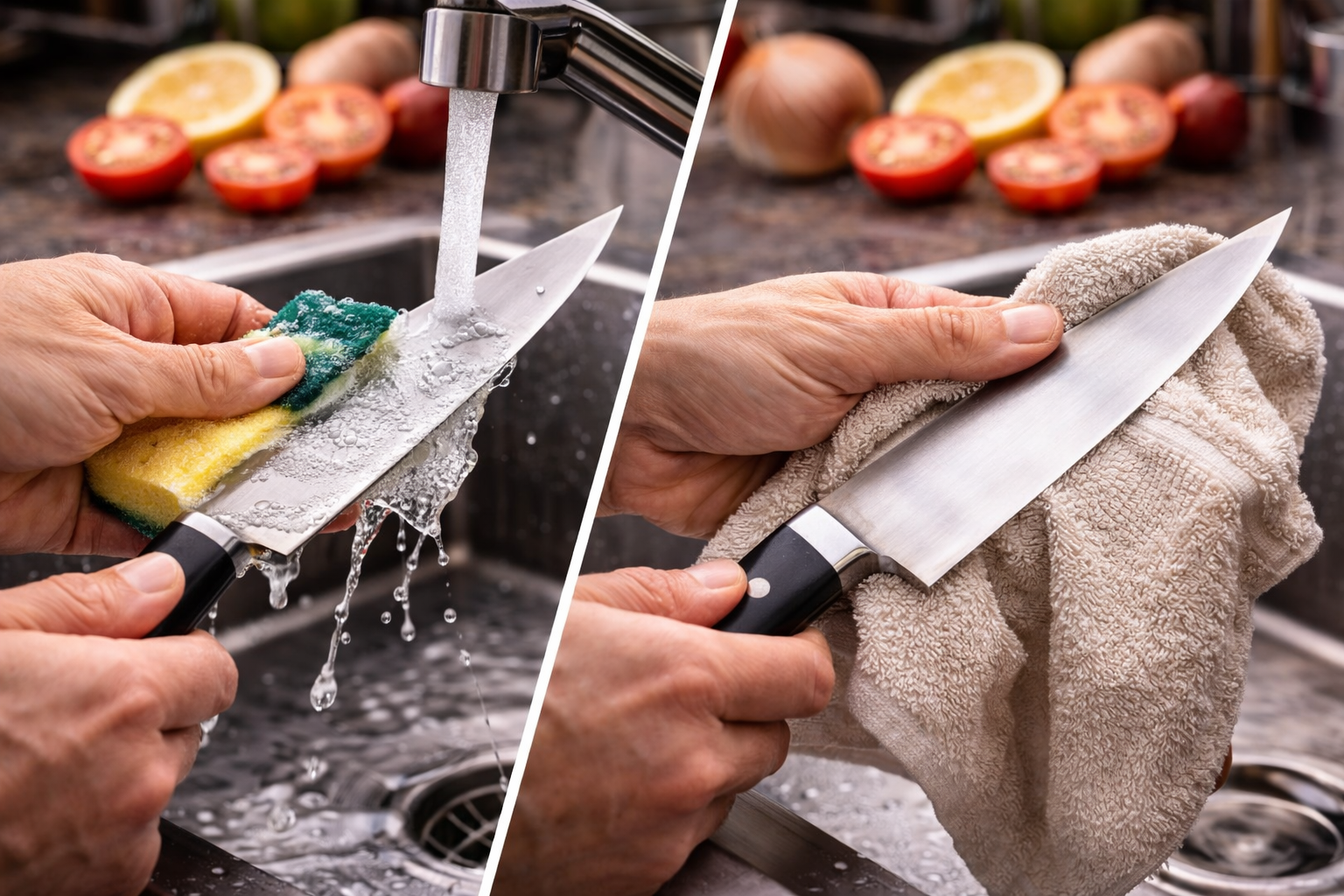
A person washing a knife in a sink and a row of knives on a magnetic strip.

The single most destructive environment for a quality knife is the dishwasher. While convenient, it's a guaranteed way to ruin your blades. Proper cleaning is a simple, manual process that takes only a moment but adds years to your knife's life.


Here’s what you need to know about cleaning your knives correctly:


  • Wash by Hand: Always wash your knives by hand using warm, soapy water and a non-abrasive sponge. This prevents the harsh detergents and high heat of a dishwasher from damaging the steel and the handle.
  • Clean Immediately: Don’t let your knives sit in the sink. Acidic foods like tomatoes, lemons, and onions can cause pitting and corrosion on the blade if left for extended periods.
  • Dry Thoroughly: Moisture is the enemy of steel, especially high-carbon steel which is prone to rust. After washing, dry your knife completely with a soft towel before storing it. Pay special attention to the area where the blade meets the handle.


Following this simple routine prevents rust, protects the blade’s edge from being knocked against other items, and keeps the handle in prime condition.

Smart Storage: Protecting the Edge

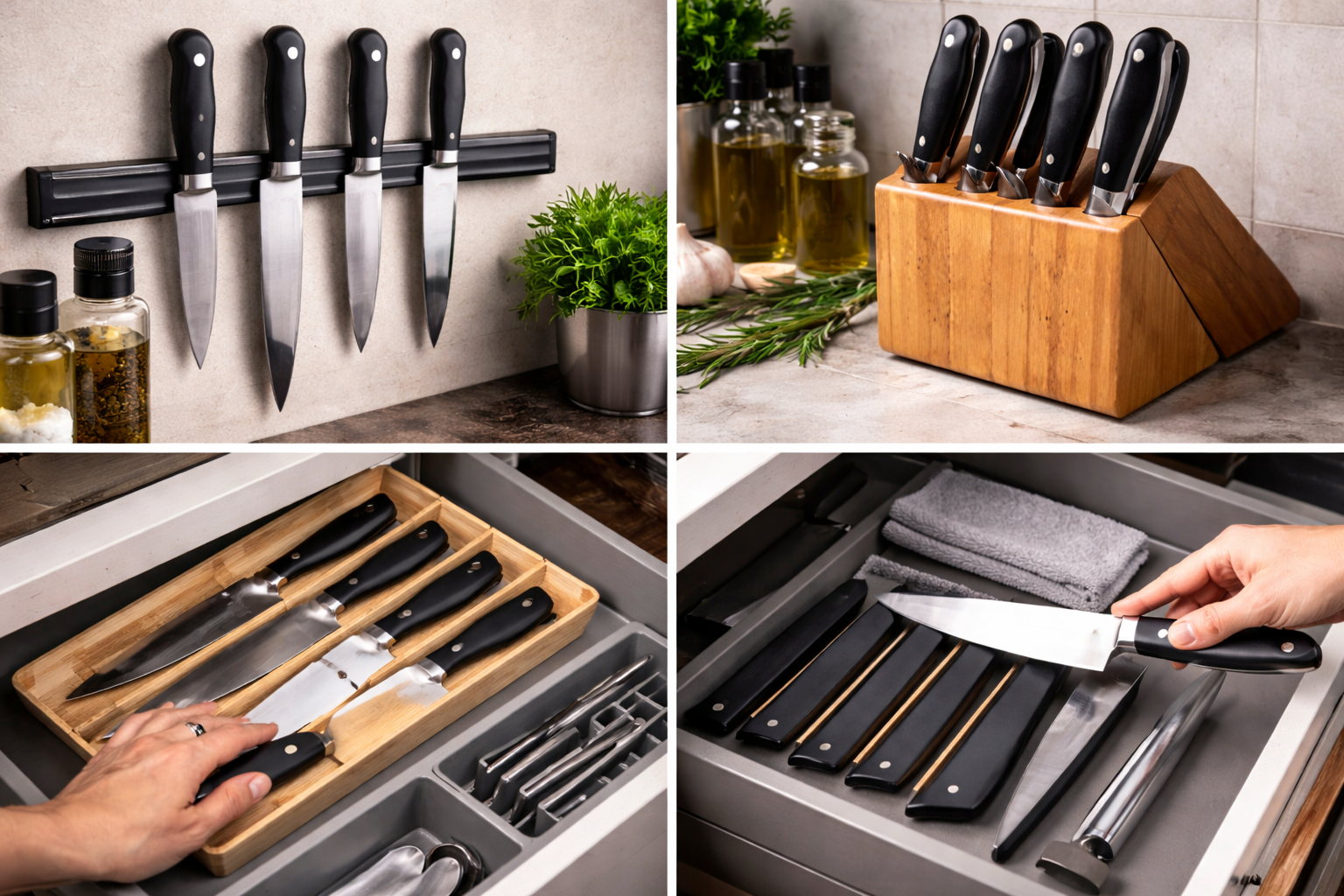
Collection of kitchen knives displayed on a magnetic strip, block, and drawer organizer.

How you store your knives is just as important as how you clean them. Tossing them into a drawer with other utensils is a recipe for disaster, leading to chipped, nicked, and dulled blades. A protected edge is a sharp edge.


Consider these storage solutions to keep your knives safe and sharp:


  • Magnetic Strips: A wall-mounted magnetic strip is an excellent option. It keeps knives visible, easily accessible, and prevents the blades from touching anything that could dull them.
  • Knife Blocks: A traditional wooden block is a classic for a reason. It protects the blades, though it's important to ensure the slots are clean and dry to prevent bacteria buildup. Always insert knives with the spine, not the edge, resting against the wood.
  • In-Drawer Holders: If you prefer to keep your counters clear, an in-drawer knife block or sheath system is a great alternative. These organizers provide individual slots for each knife, preventing them from clanking together.
  • Blade Guards: For ultimate flexibility, individual sheaths or blade guards allow you to store knives safely in any drawer. They are an inexpensive and effective way to protect the edge.


Proper storage is a cornerstone of professional knife care tips. It not only preserves the sharpness of your blades but also makes your kitchen a safer place.

Maintaining the Edge: Honing vs. Sharpening

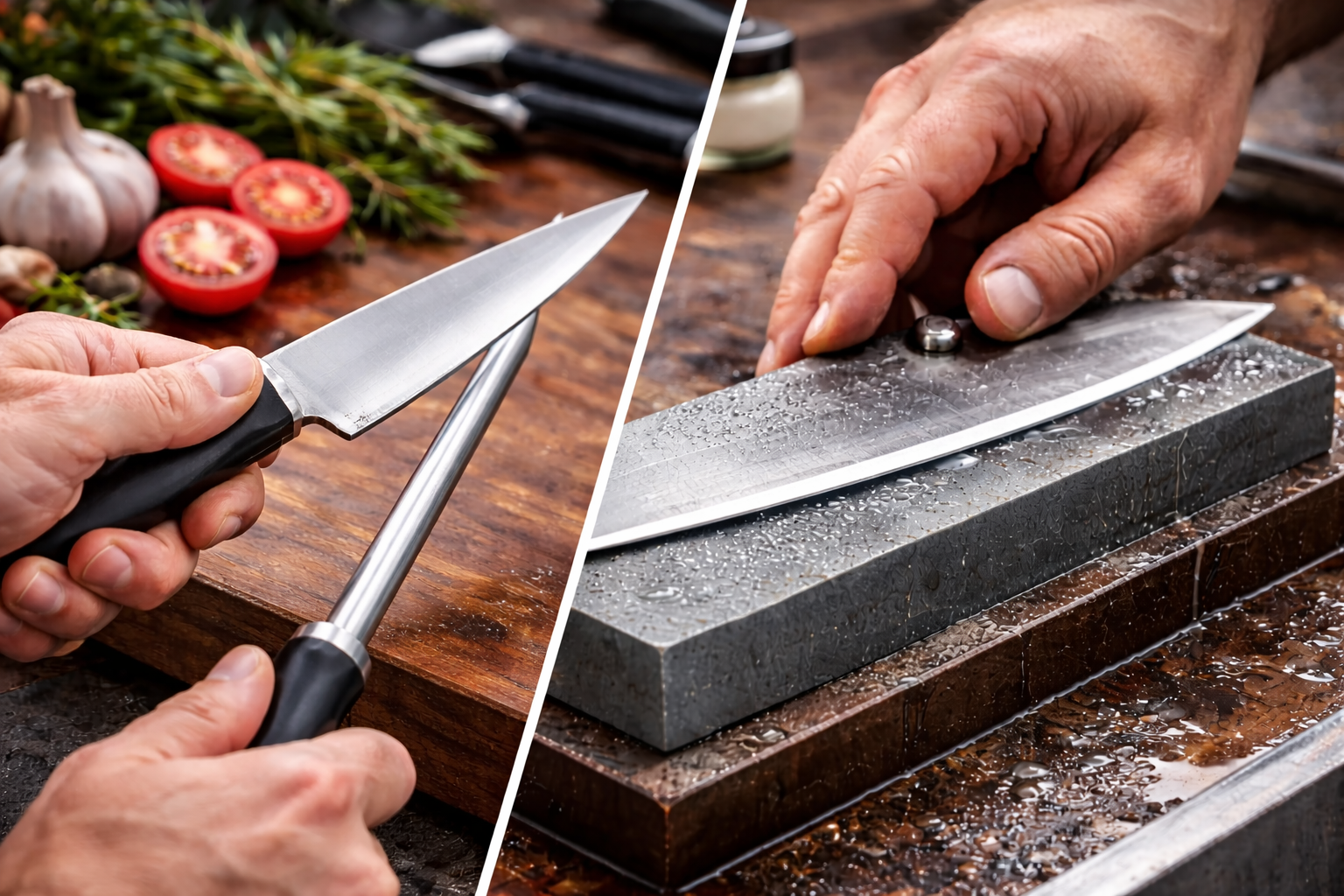
Chef sharpening a knife with a honing steel (left) and a whetstone (right) in a kitchen setting.

Many people use the terms "honing" and "sharpening" interchangeably, but they are two distinct processes. Understanding the difference is crucial for effective knife maintenance.


Honing is about maintenance. A honing rod (or "steel") doesn't remove metal from your blade. Instead, it realigns the microscopic teeth that make up the cutting edge. Daily use can cause this edge to bend or roll slightly, making the knife feel dull. A few passes on a honing steel before each use straightens the edge, restoring its cutting power.


Sharpening, on the other hand, is about restoration. It involves grinding the blade to remove a small amount of steel and create a brand-new, sharp edge. This process is only necessary when honing no longer brings the blade back to life. While some attempt this at home, achieving a precise, consistent angle without damaging the blade requires expertise. This is where a certified knife sharpener becomes essential.

When to Call a Professional

Even with meticulous honing and care, every knife will eventually need to be professionally sharpened. Over time, the edge wears down to a point where a honing steel can no longer realign it. Using a dull knife is inefficient and dangerous, as it requires more force and is more likely to slip.


Here are the clear signs that it’s time to seek a knife sharpening Jacksonville service:


  • It Can't Slice Paper: A sharp knife should effortlessly slice through a sheet of paper held vertically. If it snags, tears, or requires a sawing motion, the edge is gone.
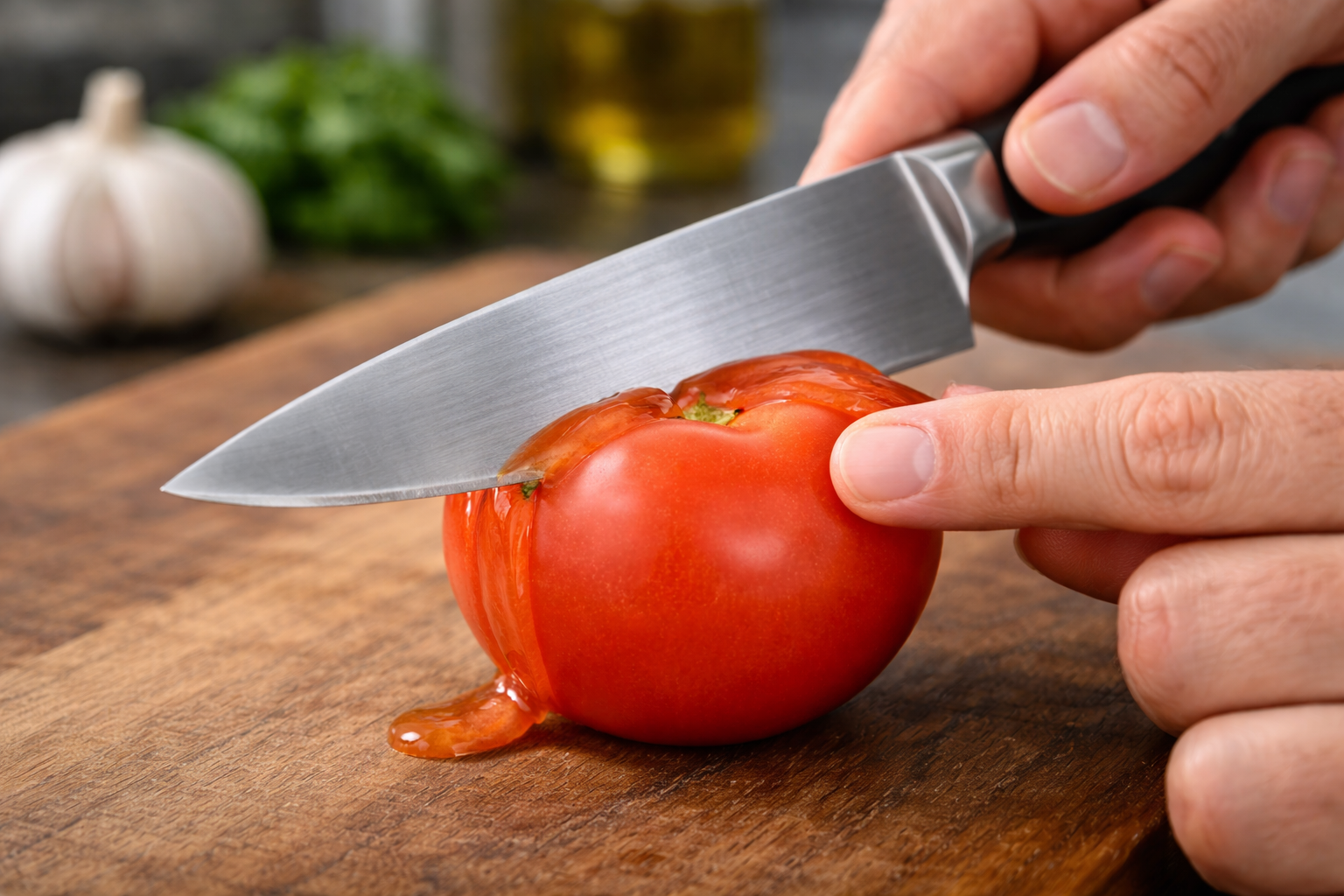
  • It Slips on Tomato Skin: The classic tomato test is a great indicator. A dull knife will slide off the slick skin, whereas a sharp one will bite into it with minimal pressure.
  • Honing Doesn't Help Anymore: If you’ve honed your knife correctly and it still feels dull, the edge is too worn and needs to be reshaped.
  • You See Visible Damage: Nicks, chips, or a bent tip from being dropped require a professional knife maintenance service to repair correctly.


A professional service uses specialized equipment to restore your knife's edge to its factory-perfect angle, removing only the minimal amount of material necessary. This preserves the blade's integrity and ensures it will last for many years to come.

Keep Your Knives Sharp, Safe, and Ready

Caring for your knives goes beyond the occasional sharpening—it’s about building daily habits of cleaning, safe storage, and proper edge upkeep. By following these professional knife care tips and knowing when to call in a certified sharpener, you’ll protect your investment, increase safety, and enjoy exceptional results in your kitchen. Whether you’re a home cook or a culinary professional, a well-maintained knife is the foundation for great cooking.

About Finest Edge Florida

Finest Edge Florida is Jacksonville’s trusted professional sharpening service, specializing in precision sharpening for knives, shears, and clipper blades. Serving both residential and commercial clients across Duval County, we combine expert craftsmanship with convenient pick-up and delivery to ensure your tools perform at their best. Whether you’re a home cook, a restaurant chef, or a professional barber, we’re here to provide consistent, reliable results that protect your investment and keep your tools sharp, safe, and long-lasting.


To schedule your sharpening, call or text us at (904) 467-0223 or schedule sharpening service online. Let us help you achieve the finest edge—every time.

Recent Posts

Dog grooming shear sharpening in Jacksonville, FL with pickup and delivery from Finest Edge Florida
By Rodney Valdes February 26, 2026
Dog grooming shear sharpening in Jacksonville Beach, FL with pickup & delivery. Same-day or next-day turnaround. Book FinestEdgeFL.com.
Professional chef knife on cutting board after knife sharpening in Jacksonville, FL
By Rodney Valdes February 14, 2026
Jacksonville knife sharpening guide kitchens, barbers, groomers, hunters, and chefs. Learn when and why professional sharpening matters.
Hand slicing a red tomato on a wooden cutting board with a silver knife; garlic, herbs, and oil visible in the background.
By Rodney Valdes February 4, 2026
Learn the clear signs your knife is dull and why it’s dangerous. Discover when to book professional knife sharpening in Jacksonville, Florida.
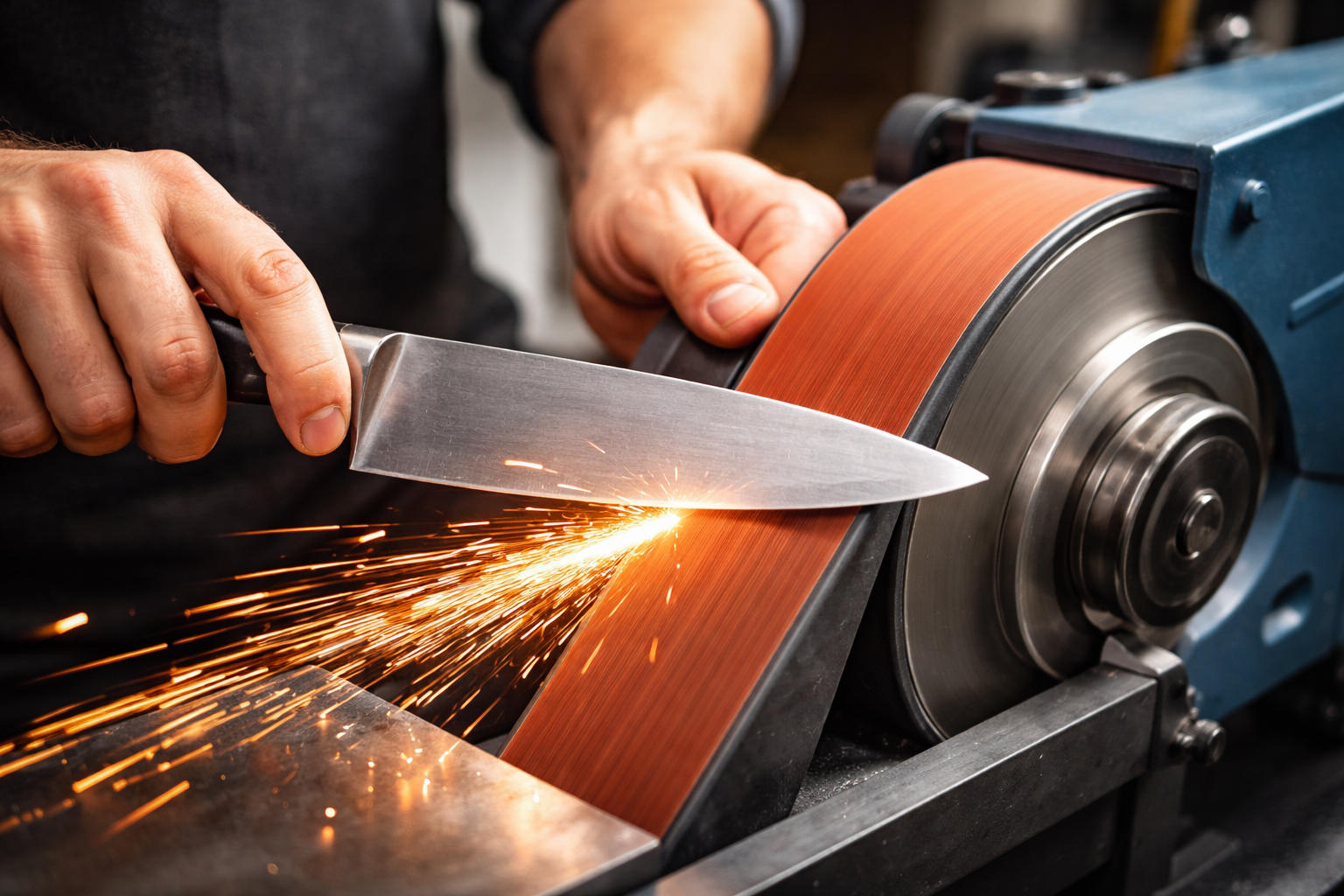
Professional knife sharpening in Jacksonville using a belt grinder to restore a sharp kitchen knife
By Rodney Valdes January 23, 2026
How often should you sharpen kitchen knives? Learn expert tips for knife sharpening in Jacksonville and when to choose professional sharpening services.
Close-up of various silver barber shears in a row, on a dark surface.
By Nat Lopez January 4, 2026
Are dull shears cutting into your profits? Discover how using unsharpened tools impacts salon efficiency, client satisfaction, and revenue in Jacksonville.
Hands sharpening a knife on a sharpening stone, with the blade at an angle.
By Nat Lopez January 4, 2026
Are you making these common knife sharpening mistakes at home? Learn the top 10 DIY errors and why professional sharpening is a safer, better choice.
Person sharpening a shear on a whetstone. Dark t-shirt, indoors.
By Nat Lopez January 4, 2026
Thinking of sharpening your own shears? Discover the critical differences between DIY methods and professional shear sharpening services in Jacksonville.
Hands applying lubricant to a hair clipper blade on a wooden table.
By Nat Lopez January 4, 2026
Learn essential clipper maintenance tips to keep your tools running smoothly. Discover cleaning routines, oiling hacks, and when to book professional sharpening.
Knives on sharpening stones with cash and money symbols, suggesting a culinary investment.
By Nat Lopez January 4, 2026
Learn how much knife sharpening costs, what affects pricing, and when professional sharpening is worth it. See average prices and service options in Jacksonville.
Two pairs of barber scissors on a black leather pad; other barber tools and towel in the background.
By Nat Lopez January 4, 2026
Are your shears pulling hair or causing hand strain? Learn the signs that you need professional shear sharpening and maintenance to protect your tools.
Show More